Book guide · Ages 3–8
Children’s Books About Animals and Their Babies
Six ways to look at how young animals grow, find food, and stay close.
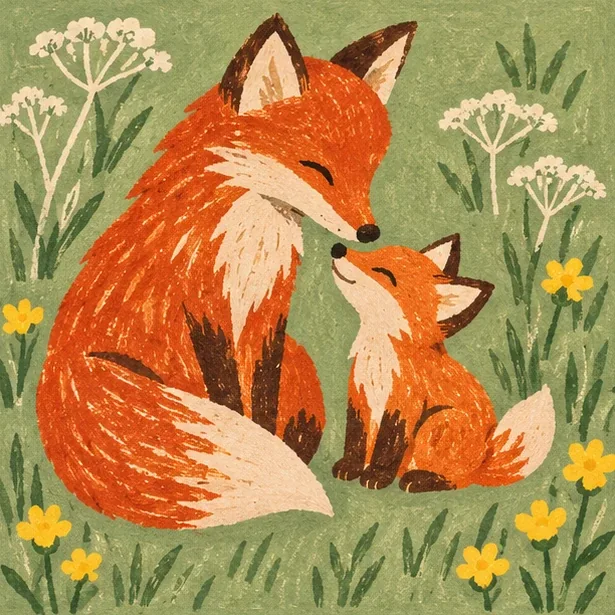
The baby bird in Are You My Mother? can make children laugh by mistaking a machine for its mother. A photograph of a real penguin chick invites a different sort of question: how does it keep warm? This shelf has room for both.
For a first look: Find Out About Animal Babies
You can read the short lines and leave the extra facts for a second visit. Martin Jenkins and Jane McGuinness give ages 3–6 a range of young animals to compare in this English-language picture book. Pick two and ask which one your child would like to see up close. Candlewick Press
For comparing families: Born in the Wild
How do you stay warm when you’re small? In this English-language book, Lita Judge groups mammal babies by the problems they and their parents have to solve. Ages 5–8 can compare two families and draw both solutions, one on each side of a page. Henry Holt / Macmillan
For a close look at shelter: Mama Built a Little Nest
Jennifer Ward’s rhymes and Steve Jenkins’s cut-paper artwork show nests that take very different forms. For ages 4–8, this English-language book gives you two ways in: the short verse for younger listeners and extra notes for a child who wants to know how a nest works. Offer paper scraps and have them design a nest for a paper egg. Simon & Schuster
For following one animal: Dolphin Baby!
This English-language book gives ages 5–8 one calf to follow. Nicola Davies writes about what it learns from its mother, while Brita Granström’s pictures take readers underwater. Before turning a page, ask your child to find the calf and point toward the surface where it must breathe. Candlewick Press
For joining in: Are You My Mother?
By the third wrong guess, a child may be asking the bird’s question before you do. P. D. Eastman’s English-language story for ages 3–6 follows a hatchling looking for its mother. Pause and let your listener ask the question this time. Then make up another object the bird could ask. Penguin Random House
For looking slowly: Tender Moments in the Wild
There’s no need to start at the beginning. Open Stephanie Maze’s English-language photo book anywhere and give each person a chance to pick a young animal. At ages 4–8, a child might spot a detail in the photograph that you missed. Ask them to show you where to look. Foreword Reviews